
SHARE THIS ARTICLE
Editor’ note: This article appeared in the August 6, 2026 issue of the Chestnut Hill Local.
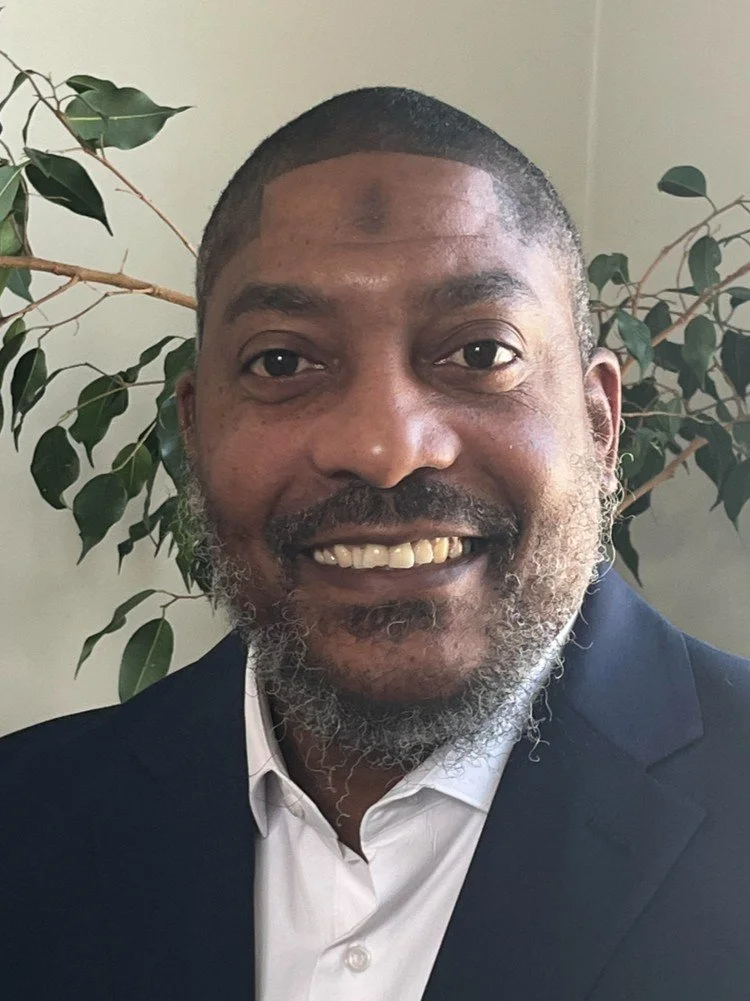
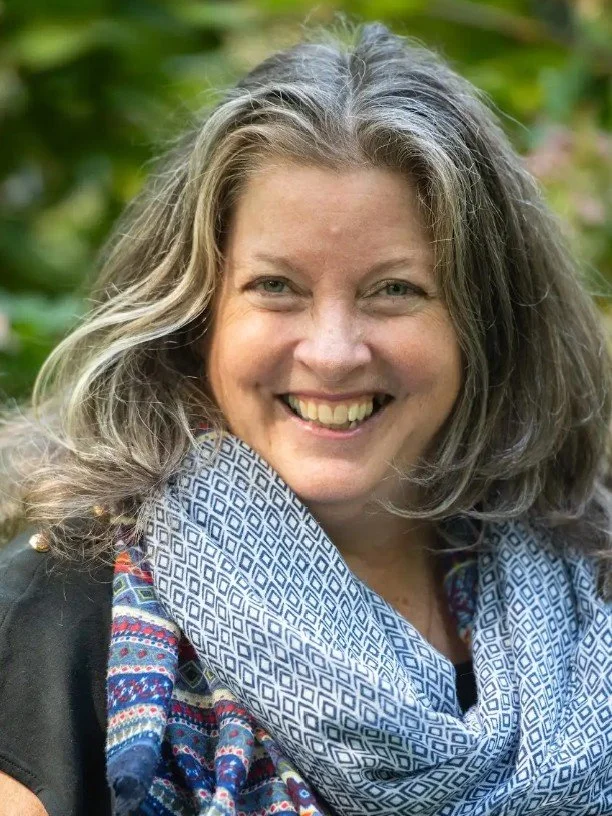
Tricia Way — an educator who teaches courses at Chestnut Hill College on criminal justice, restorative justice, and wrongful convictions — had visited prisons many times as a teacher and volunteer. So when she heard John “Yahya” Moore, who was serving a life sentence without parole, say he was innocent, it caught her attention.
“I’d been interacting with incarcerated people in Pennsylvania state prisons and only one other person had told me that he was innocent,” Way said. “I’ve heard people say that everybody in prison says they’re innocent, but it’s not true. Most of the people I interacted with took responsibility for what they had been convicted of. …So, when Yahya told me that, I believed him.”
Moore gave Way homework: Watch the 1999 movie “Hurricane,” in which Denzel Washington portrays Rubin “The Hurricane” Carter, a former middleweight boxer wrongfully convicted of a murder. Moore not only related to Carter’s troubled upbringing, but more importantly to the wrongful conviction.
Way understood there was a problem to be solved.
“[I said,] ‘If you’re innocent, let’s just figure out how to get you home,’” Way said. “Then it unfolded from that.”
Twenty-seven years after being wrongfully convicted of a murder, Moore was released from prison on July 11, 2023. Now, Moore gives talks about his compelling story, which is one of hope, dignity, and resilience in the face of systemic failure. On Aug. 12, Moore and Way will present their story for the Chestnut Hill Rotary Club at 5:30 p.m. at Center on the Hill. The event is free and open to the public.
Wrongfully convicted
Moore was given a life sentence for second degree murder for a 1996 robbery in which two men were shot and one died. His conviction was based on compromised testimony from his co-defendant, who testified in exchange for a lighter sentence.
According to Moore, he grew up in a dysfunctional, poverty-stricken household and was “no saint” at the time of his arrest — he had committed petty crimes before. However, being convicted of such a serious crime shook him to his core.
“The thing that hurt the most was that many people didn’t believe me,” Moore said. “They didn’t trust that I was telling the truth because of my character and the life that I lived.”
Although Moore was devastated by the conviction, he said he also found in himself a sense of pride.
“For some reason, it gave me a pride that I had never felt before,” Moore said. “It didn’t even matter what this person said about me, because I knew it wasn’t true. …I remember sticking my chest out and holding my head high.”
Moore committed to working on himself while imprisoned. He became a yoga instructor, personal trainer, and tutor. Also, he began to study the law, which gave him hope.
“That understanding [of the law] gave me some hope,” Moore said. “I’ll fight to my dying breath. I’ll fight and let everybody know I’m innocent. At this time, I had a sense of purpose.”
Campaigning for freedom
Way met Moore at SCI Phoenix, a prison in Collegeville, as a volunteer visiting the facility. The pair began working on a campaign to free Moore under a legal mechanism called the Post Conviction Relief Act (PCRA). Through what Way describes as an “arcane” process, they submitted a petition to the courts arguing that there was new evidence. This new evidence included a list that pointed to a credible alternate suspect.
As part of their work, Way and Moore also created a letter-writing campaign to the district attorney’s office, authored social media posts about Moore’s innocence, gathered supporters to attend all of Moore’s hearings, and crowdsourced funds for his transition home. At the final hearing in which Moore’s sentence was vacated, the judge told him to turn around and look at the packed, standing room-only courthouse.
Moore and Way both said the process taught them a lot about the criminal justice system.
“I think the most important thing it taught me is how inhumane it can be,” Moore said. “Humanity can get lost in the whole system.”
For Way, one lesson was that the system can be broken anywhere along the way to a conviction.
“Something wrongful can happen all along the criminal justice system,” Way said. “There can be laws that are wrong. There can be police activity that is wrong. There can be prosecutors that do wrong. Even defense attorneys, which was a big surprise to me, as they’re supposed to be the advocates. Even defense attorneys often do things that are wrongful.”
Raising awareness
After walking out of SCI Phoenix, Moore hit the ground running. Over the past three years, he became a paralegal at the Pennsylvania Innocence Project and founded a nonprofit with Way called Way Moore Justice Support. Their organization focuses on restorative justice, providing the infrastructure, education, and community solidarity to better navigate the PCRA process.
Moore and Way also created a workshop for Mt. Airy Learning Tree, teaching about wrongful convictions. Through this class, they were connected to Helena Tucker, a member of the Chestnut Hill Rotary Club, who asked if they’d be willing to share their story.
As with all of Moore’s talks, he hopes the discussion with Rotary raises awareness of wrongful convictions.
“More than anything, I hope it brings understanding — not just understanding of me per se — but understanding that it happens,” Moore said. “I’m just a vessel to explain that it happens and as we speak, it’s happening.”
A common question Moore receives at his talks is whether he is angry. The answer might surprise people.
“One thing that Yahya said to me from the start is that you have to really try hard to be angry,” Way said. “Trying to stay angry is really toxic. It’s just bad for you.”
As Moore and Way continue to share their story to audiences, the duo’s bond continues to grow stronger. In fact, they are engaged to be married, proving that out of dark circumstances, beautiful things can grow.
To register for Way and Moore’s talk with the Chestnut Hill Rotary, visit chestnuthillrotary.org.
Maggie Dougherty can be reached at Margaret@chestnuthilllocal.com.
